
javaprivatetour.com – Imagine walking into a restaurant where history lingers in the air, where the walls have witnessed generations of patrons enjoying the same traditional recipes. Indonesia is home to some of the oldest restaurants that have stood the test of time, serving mouthwatering dishes that transport you back to the past. These legendary culinary establishments have not only survived modernization but have also become cultural icons. Let’s take a journey through the oldest restaurants in Indonesia that continue to serve their classic menus to this day!
1. Toko Oen (1910, Semarang & Malang)
Toko Oen is a legendary name in Indonesia’s culinary scene. Originally established in Yogyakarta in 1910, it later expanded to cities like Jakarta, Semarang, and Malang. While the Jakarta branch has closed, the Semarang and Malang outlets remain iconic destinations for those seeking a nostalgic dining experience.
Toko Oen started as a pastry shop selling cookies and ice cream before evolving into a full-fledged restaurant. Its menu features a unique fusion of Dutch, Chinese, and Indonesian cuisine. What makes this place even more special is that many of its dishes still bear their original Dutch names, preserving the colonial-era charm.
2. Braga Permai (1918, Bandung)

Formerly known as Moison Bogerijen, this historic restaurant opened in 1918 in Bandung. It relocated to Braga Street in 1923 due to its growing popularity and was later renamed Braga Permai in the 1960s when the government restricted the use of Western names.
Braga Permai continues to serve its original colonial-style dishes, and its outdoor dining area, characterized by signature red umbrellas, offers a charming throwback to the old days. The restaurant was officially recognized as a cultural heritage site in 2018, further solidifying its place in Indonesia’s history.
3. Wong Fu Kie (1925, Jakarta)

Nestled in the heart of Jakarta’s Chinatown (Glodok), Wong Fu Kie has been serving authentic Hakka cuisine since 1925. The restaurant, now managed by the third generation of the founding family, still uses the same recipes passed down through the decades.
Wong Fu Kie is famous for its dishes rich in garlic-infused flavors, a signature characteristic of Hakka cooking. It remains a favorite among both locals and food enthusiasts seeking a taste of heritage in the midst of Jakarta’s bustling city life.
4. Graha Es Krim Zangrandi (1930, Surabaya)
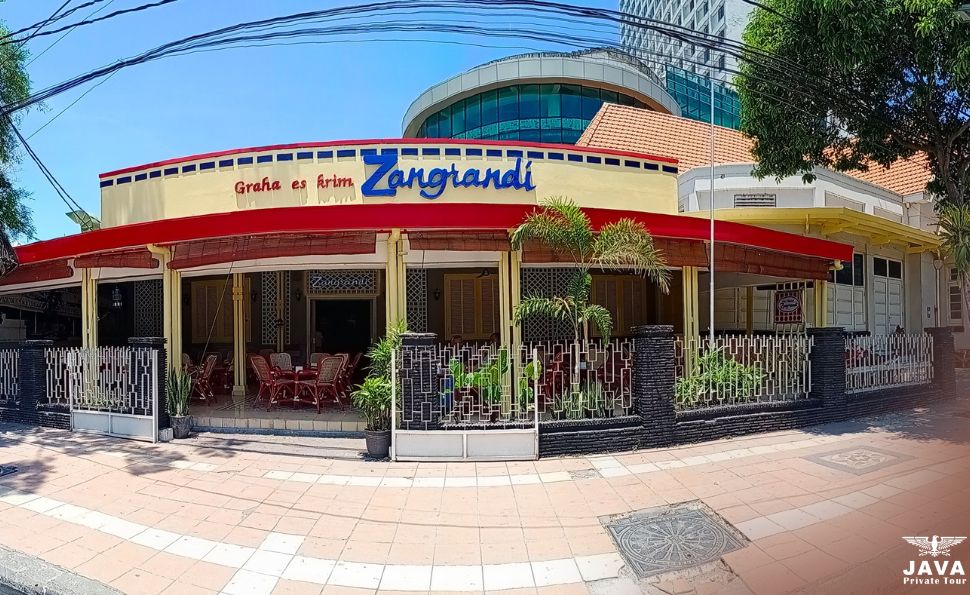
Originally called Ijspaleisje Tutti Frutti, Zangrandi Ice Cream was founded in 1930 by an Italian entrepreneur, Roberto Zangrandi, who sought his fortune in the Dutch East Indies. His wife developed the signature ice cream recipes that continue to be used today.
However, political turmoil forced Roberto to leave Indonesia, and ownership of the restaurant was transferred to his close friend, Andi Tanumulia. Over the years, the menu has expanded from four flavors to eleven, yet the ice cream remains free from preservatives—just as it was back in the day. Zangrandi was officially recognized as a cultural heritage site in 2009.
5. Ragusa Es Italia (1932, Jakarta)

Another legendary ice cream parlor, Ragusa Es Italia, was founded in the 1930s by two Italian brothers who originally came to Indonesia to study tailoring. Eventually, they decided to enter the ice cream business, which quickly gained popularity. The parlor first opened in Bandung and made seasonal appearances at Pasar Gambir (now Jakarta Fair), before permanently relocating to Jakarta in 1947.
By the 1970s, the five founding brothers returned to Italy, and the restaurant was handed over to one of their employees. Today, Ragusa is known for its limited yet classic menu, featuring only seven main flavors and a few combinations. Its preservative-free ice cream continues to attract loyal customers from different generations.
6. Kikugawa (1969, Jakarta)
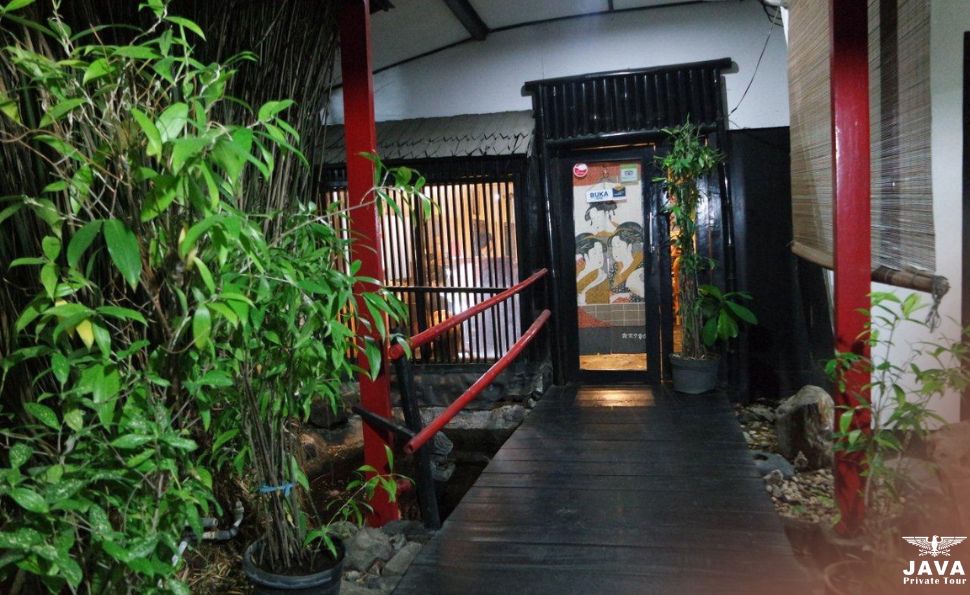
As the oldest Japanese restaurant in Indonesia, Kikugawa has been serving authentic Japanese cuisine since 1969. It was established by a former Japanese soldier and his Indonesian wife, making it a pioneer in bringing traditional Japanese flavors to Jakarta.
While its dishes initially catered to Japanese expats, Kikugawa has adapted over the years to suit local tastes. In the early 2000s, pork was removed from the menu to accommodate Indonesian customers, but the restaurant’s authenticity remains intact, drawing both Japanese nationals and locals alike.
What Makes These Restaurants So Special?
- Authentic Menus: These restaurants have retained their original recipes, providing a true taste of history.
- Nostalgic Atmosphere: Many have maintained their colonial-era interiors, transporting visitors to the past.
- Loyal Customers: Families have dined at these establishments for generations, creating a deep emotional connection to the food and ambiance.
The Secret to Their Longevity
How have these restaurants survived while countless others have faded away? The answer lies in their ability to balance tradition and adaptation. While they remain faithful to their original menus and cooking methods, they have also evolved to meet modern preferences without compromising their heritage.
Conclusion: Explore Indonesia’s Culinary Heritage with Java Private Tour
Want to experience these legendary restaurants firsthand? Java Private Tour is your perfect travel companion! Whether you’re a foodie, historian, or simply an adventurous traveler, we offer private tours that take you on a journey through Java’s culinary heritage.
Here’s why Java Private Tour is the best choice for your trip:
- English-speaking local guides who are professional and friendly.
- Customizable itineraries tailored to your preferences.
- Private vehicle rentals with a range of options (sedan, van, or bus).
- Highly recommended by international embassies.
- Ideal for first-time visitors exploring Java’s cultural and culinary gems.
So, if you’re ready to explore the wonders of Indonesia’s oldest restaurants, head over to our REQUEST PAGE and let’s start planning your adventure. Or you can simply CLICK THIS LINK to chat with us on WhatsApp. With Java Private Tour, you’re not just getting a guide; you’re gaining a friend who will ensure your trip is nothing short of extraordinary. See you in Java!