
javaprivatetour.com – Lombok is often praised for its beaches, waterfalls, and the dramatic presence of Mount Rinjani. Yet beyond its landscapes, the island also carries a strong cultural identity that continues to thrive even as the world changes rapidly around it. Modern tourism, technology, and global influences have reached Lombok in many ways. New roads connect rural regions, social media introduces global trends, and international travelers arrive every year to explore the island. Despite these changes, Lombok has managed to preserve many of its traditions, customs, and social values. For visitors who take time to observe daily life, it becomes clear that tradition is not disappearing here. Instead, it continues to adapt while remaining an essential part of community identity.
Strong Cultural Roots of the Sasak People
The majority of Lombok’s population belongs to the Sasak ethnic group. Their traditions form the foundation of the island’s cultural life, shaping everything from ceremonies and architecture to social relationships and community responsibilities. Many Sasak customs are closely connected to family structure and village cooperation. These traditions are passed down through generations, ensuring that cultural knowledge remains part of everyday life. Even as younger generations grow up with modern technology and global influences, many families continue to teach traditional practices at home. **Cultural knowledge passed through generations** In many villages, elders play an important role in preserving cultural knowledge. Stories, ceremonies, and traditional skills are shared during community gatherings and family events. Young people often learn traditional music, dance, or weaving by observing older relatives and participating in local celebrations. This gradual transfer of knowledge helps ensure that cultural traditions remain alive rather than becoming forgotten relics of the past.
Village Life That Protects Tradition
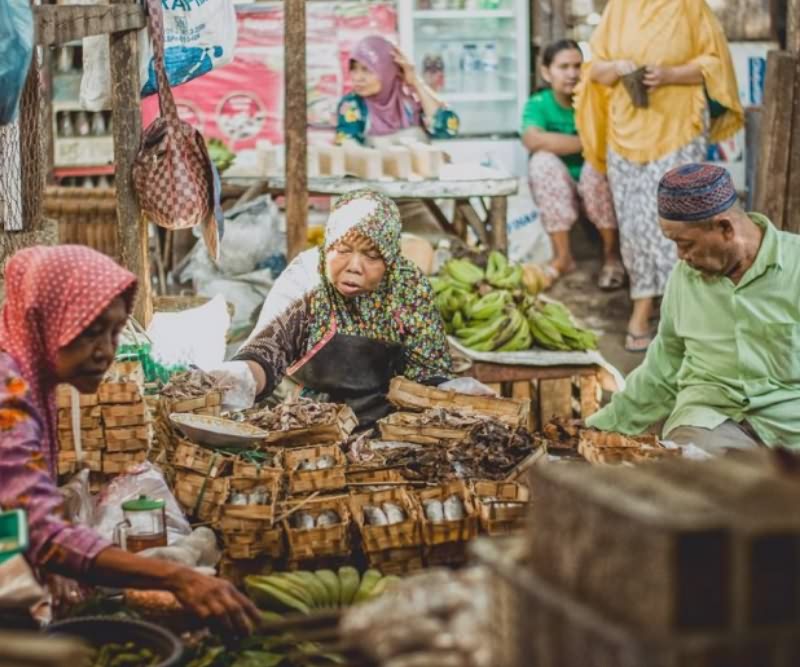
One of the key reasons Lombok maintains its traditions is the strength of its village communities. Rural villages still function as social centers where residents cooperate and support one another. Community decisions are often discussed collectively, and many traditional rules are respected by residents. Village ceremonies, weddings, and religious celebrations bring people together regularly, reinforcing shared cultural values. **Traditional villages as cultural guardians** Some traditional villages in Lombok intentionally preserve older lifestyles, architecture, and customs. Visitors who explore these areas may notice houses built with traditional materials, community courtyards used for gatherings, and residents practicing crafts that have existed for generations. These villages serve as living cultural spaces where traditions remain part of daily life rather than museum displays.
Religion and Cultural Identity
Religion also plays a major role in preserving Lombok’s traditions. Islam is the dominant faith on the island, and religious practices shape many aspects of community life. Daily prayers, mosque gatherings, and religious holidays create regular moments where communities reconnect with shared values. These practices help reinforce discipline, respect, and cooperation within villages. **Blending faith with local customs** While Islamic practices guide many aspects of life, local traditions also continue to influence ceremonies and social customs. Certain cultural celebrations include elements of both religious practice and older Sasak traditions. This combination allows communities to maintain cultural identity while still embracing modern religious life.
Tourism and Cultural Preservation
Tourism has grown significantly in Lombok during the past decades. Many visitors come to enjoy beaches, trekking routes, and natural scenery. While tourism can bring economic opportunities, it also raises questions about cultural preservation. Fortunately, many communities in Lombok approach tourism carefully, choosing to share their culture while maintaining control over their traditions. **Responsible cultural sharing** Some villages organize cultural demonstrations, craft workshops, or traditional performances for visitors. These activities help travelers learn about Sasak culture while also supporting local livelihoods. When managed responsibly, tourism can actually strengthen cultural preservation by creating economic value for traditional skills and practices. Visitors who approach these experiences respectfully often gain deeper insights into Lombok’s living traditions.
Tradition and Modern Life in Balance
Lombok’s ability to preserve tradition while adapting to modern life is one of the island’s most remarkable qualities. Rather than rejecting change completely, communities often find ways to balance progress with cultural identity. Technology, tourism, and development are gradually integrated without abandoning local values. For travelers, this balance creates a unique cultural atmosphere where ancient traditions still feel connected to everyday life. Exploring Lombok with an open mind allows visitors to appreciate how the island continues to evolve while honoring its heritage. At Java Private Tour, we believe travel should help people understand cultures rather than simply observe them from a distance. Java Private Tour is not a generalist, but a specialist. Our journeys focus on authentic cultural experiences that allow travelers to discover the stories, traditions, and communities that shape Indonesia’s destinations.
So, if you’re ready to explore the wonders of Lombok’s living traditions and cultural heritage, head over to our REQUEST PAGE and let’s start planning your adventure. Or you can simply CLICK THIS LINK to chat with us on WhatsApp. With Java Private Tour, you’re not just getting a guide; you’re gaining a friend who will ensure your trip is nothing short of extraordinary. See you in Java!