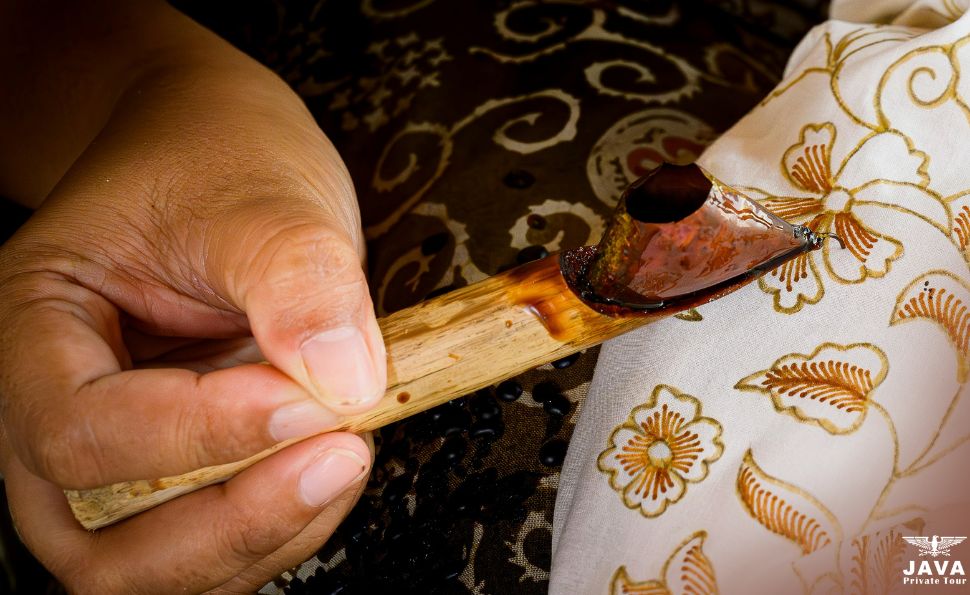
javaprivatetour.com – Imagine strolling through Yogyakarta’s alleys, where artisans rhythmically tap canting tools over white cloth, releasing trails of molten wax that soon become intricate patterns — stories frozen in time. Batik here isn’t just art; it’s philosophy, heritage, and identity stitched together through centuries. In Yogyakarta, every motif carries its own message — some are symbols of love, others of power or humility, and a few are even sacred, once reserved only for the royals.
The Living Canvas of Java
As the World Craft Council declared Yogyakarta the “World Batik City,” the region’s legacy became more than fabric — it became a cultural narrative. Each pattern represents a moral value, life principle, or spiritual teaching. And yes, there are even certain motifs that people are advised not to wear in casual settings, out of respect for their sacred origins.
Let’s explore seven iconic batik motifs from Yogyakarta — their shapes, meanings, and the stories that make them more than just fashion statements.
1. Batik Kawung – The Symbol of Purity and Self-Control

Believed to have originated during the Mataram Kingdom in the 13th century, the Kawung motif resembles the cross-section of a palm fruit. It represents purity, self-control, and the emptiness of worldly desires — a state the Javanese call suwung. The motif’s balanced circles also mirror harmony within oneself and with the universe. Traditionally, Kawung was worn by nobility, and even today, it carries an aura of wisdom and serenity, much like the humble Semar in Javanese wayang stories.
2. Batik Parang – Power, Courage, and Continuity

The Parang motif is one of the oldest and most respected designs. The word “parang” in Javanese means a blade, representing strength and bravery. Its diagonal wave-like lines symbolize unbroken spirit and determination, while the repetition reflects balance and perseverance in life. Once exclusively worn by kings and royal family members, Parang batik today remains a favorite for formal events, exuding authority and elegance.
3. Batik Truntum – The Pattern of Parental Love

Truntum or Taruntum means “to guide.” Legend says it was created by a queen who, after being ignored by her husband, poured her heart into crafting batik. The stars she drew represented her loyal and everlasting love. When her husband saw the design, his affection rekindled — hence the motif came to symbolize unconditional love and guidance. For this reason, Truntum is traditionally worn by the parents of the bride and groom during Javanese weddings, as they guide their children into married life.
4. Batik Ceplok Kembang Kates – The Spirit of Devotion

Ceplok Kembang Kates, literally “Papaya Flower Pattern,” was developed in Bantul after Yogyakarta was named the World Batik City. The motif features papaya seeds and blossoms, representing fertility, growth, and dedication. The combination of vibrant reds, greens, and blues reflects the enthusiasm of Bantul’s people in serving their community and nation. It’s modern yet deeply rooted in local pride.
5. Batik Ciptoning – The Path of Inner Enlightenment

The Ciptoning motif is filled with symbolism inspired by the story of Arjuna, who becomes the sage Begawan Ciptoning Mintaraga after mastering self-control and overcoming worldly temptations. The pattern often includes diamond-shaped frames enclosing scenes from this legend, adorned with mythical figures like Garuda, sacred trees, and flames. Wearing Ciptoning is a reminder of one’s spiritual journey — a call to be noble in thought and deed.
6. Batik Slobok – The Grace of Acceptance

Slobok, derived from the Javanese word “lobok,” meaning loose or open, signifies sincerity and acceptance. The motif features soft geometric shapes divided into triangles and squares, often in earthy tones of brown and white. Once used for daily wear or solemn occasions like funerals, Batik Slobok teaches the value of humility, patience, and openness — virtues that anchor the Javanese way of life.
7. Batik Geblek Renteng – Unity in Simplicity

The Geblek Renteng motif is Yogyakarta’s joyful nod to Kulon Progo’s culinary icon: geblek, a local snack made of cassava flour shaped like an “8.” The interconnected shapes represent togetherness and cooperation among the people of Kulon Progo. Its playful rhythm of ups and downs mirrors the region’s landscape — from beaches to hills — and the unity of its community through all seasons. Today, it’s proudly worn by local students and civil servants every Thursday as a symbol of pride and solidarity.
Conclusion – The Soul Behind Every Pattern
In Yogyakarta, batik is never just fabric; it’s a dialogue between the wearer and their values. Every motif is a silent whisper of wisdom — courage, devotion, harmony, or love. Understanding its meaning deepens one’s respect for the culture that created it. So the next time you choose a batik, remember: you’re not just wearing a pattern, you’re wearing a philosophy.
Explore Yogyakarta’s Batik Heritage with Java Private Tour
With Java Private Tour, you can go beyond the boutiques — visit traditional batik workshops, meet artisans who’ve inherited centuries-old skills, and even try making your own piece. Our professional English-speaking guides will help you understand each motif’s story, ensuring you don’t just see batik, but truly feel its spirit.
We’re not a generalist tour company — we’re specialists in cultural and personalized experiences across Java. Whether you’re a researcher, artist, or curious traveler, we’ll tailor the journey to your pace and passion. Flexible schedule, private car options (sedan, van, or bus), and embassy-recommended service quality — all designed to make your journey seamless.
So, if you’re ready to explore the wonders of Yogyakarta’s timeless batik artistry, head over to our REQUEST PAGE and let’s start planning your adventure. Or simply CLICK THIS LINK to chat with us on WhatsApp. With Java Private Tour, you’re not just getting a guide; you’re gaining a friend who will ensure your trip is nothing short of extraordinary. See you in Java!