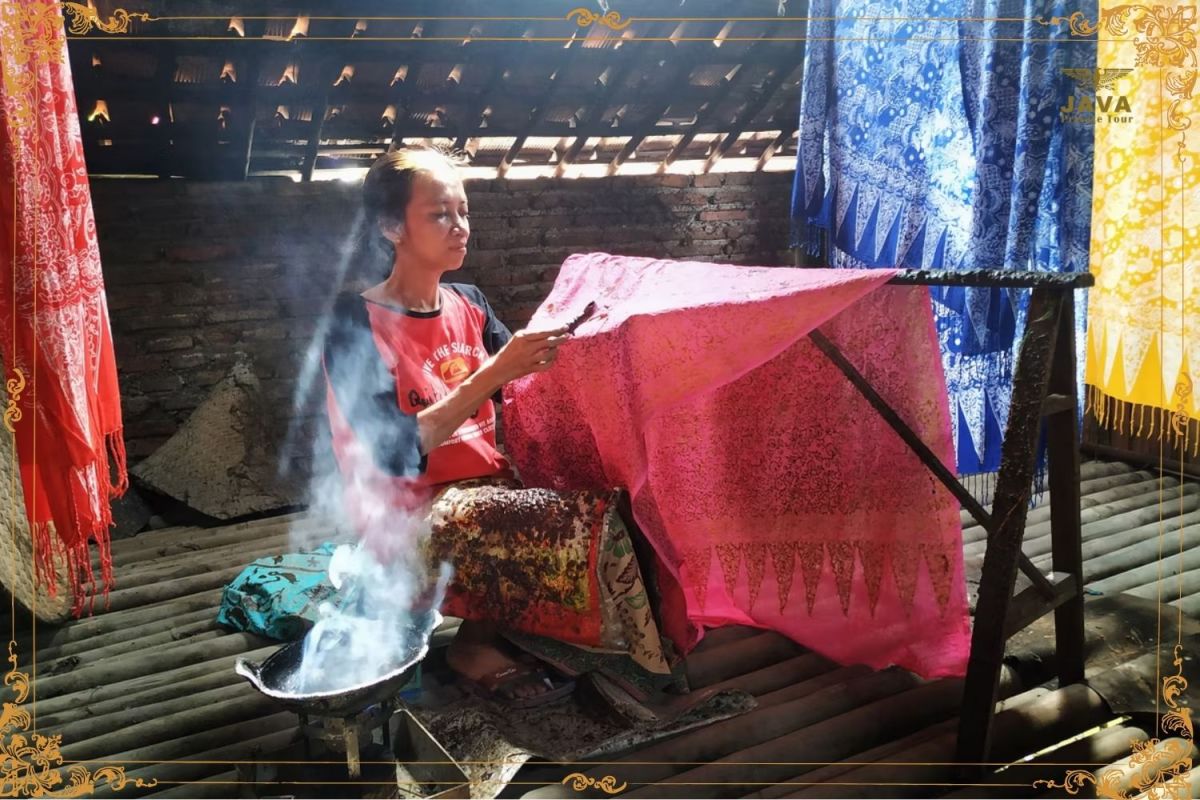
javaprivatetour.com – Hi traveler! Ever found yourself wandering through the winding alleys of Kampoeng Batik Laweyan in Solo, Central Java, and marveling at those intricate batik motifs and grand heritage houses?
Well, buckle up—because we’re about to uncover a hidden chapter of history that’s not always printed in your travel guides. You see, behind those timeless fabrics and majestic mansions stood a group of extraordinary women known as Mbok Mase.
They weren’t just the wives of batik tycoons. They were the actual architects of Laweyan’s batik empire. From designing motifs to managing finance, from supervising the workers to running the whole operation—these women did it all. Think of them as the CEOs of the 19th century… in kebaya.
Who is Mbok Mase? The Power Behind the Batik Throne
The title Mbok Mase wasn’t just a nickname—it was a badge of honor. These women were the wives of batik businessmen, but more importantly, they were usually the daughters of batik merchants themselves. Business literally ran in their blood.
It was a common practice back then: a daughter from a batik dynasty would marry a son from another, creating a powerful alliance of two batik empires. But unlike many patriarchal societies where women were sidelined, in Laweyan, Mbok Mase held the steering wheel.
According to researcher Esti Utami, Mbok Mase didn’t just assist their husbands—they led the way. “They were the ones who determined whether a batik business thrived or died,” she said. And judging by the golden era that followed, we’d say they definitely knew what they were doing.
Running the Show: From Wax to Wealth
Let’s get real: running a batik business is no easy feat. But Mbok Mase made it look effortless. From sourcing materials and developing new batik designs to overseeing production, managing finances, and making key business decisions—they handled it all.
Meanwhile, the husbands (called Mas Nganten) usually took a back seat. Their role? About 25% of the operation, mainly when it came to formalities like signing contracts or attending meetings with outsiders, such as the Dutch or the Royal Court.
Still, that didn’t mean the Mbok Mase forgot about their family duties. These superwomen also raised children, especially training their daughters—called Mas Rara—to someday take over the family business. Talk about multitasking before it was a buzzword!
And yes, their efforts paid off. Big time. Under their leadership, Laweyan batik flourished like never before. But how big was this “big time,” you ask?
The Golden Era of Batik Laweyan
Thanks to the brilliant leadership of these women, Batik Laweyan reached its peak during the 19th and early 20th centuries. This wasn’t just a local success—these women turned a humble cottage industry into a regional economic force.
In fact, many of the Mbok Mase families became wealthier than Dutch colonials and royal aristocrats. That’s right—these Javanese businesswomen weren’t just holding their own; they were out-earning and outmaneuvering the colonial powers.
The wealth and influence they accumulated were reflected not only in the scale of their businesses but also in their homes. And oh, those homes!
Step into Laweyan today, and you’ll still find the glorious remnants of their empire: towering colonial-Javanese houses with ornate details, massive wooden doors, and tiled courtyards. These weren’t just homes—they were private palaces.
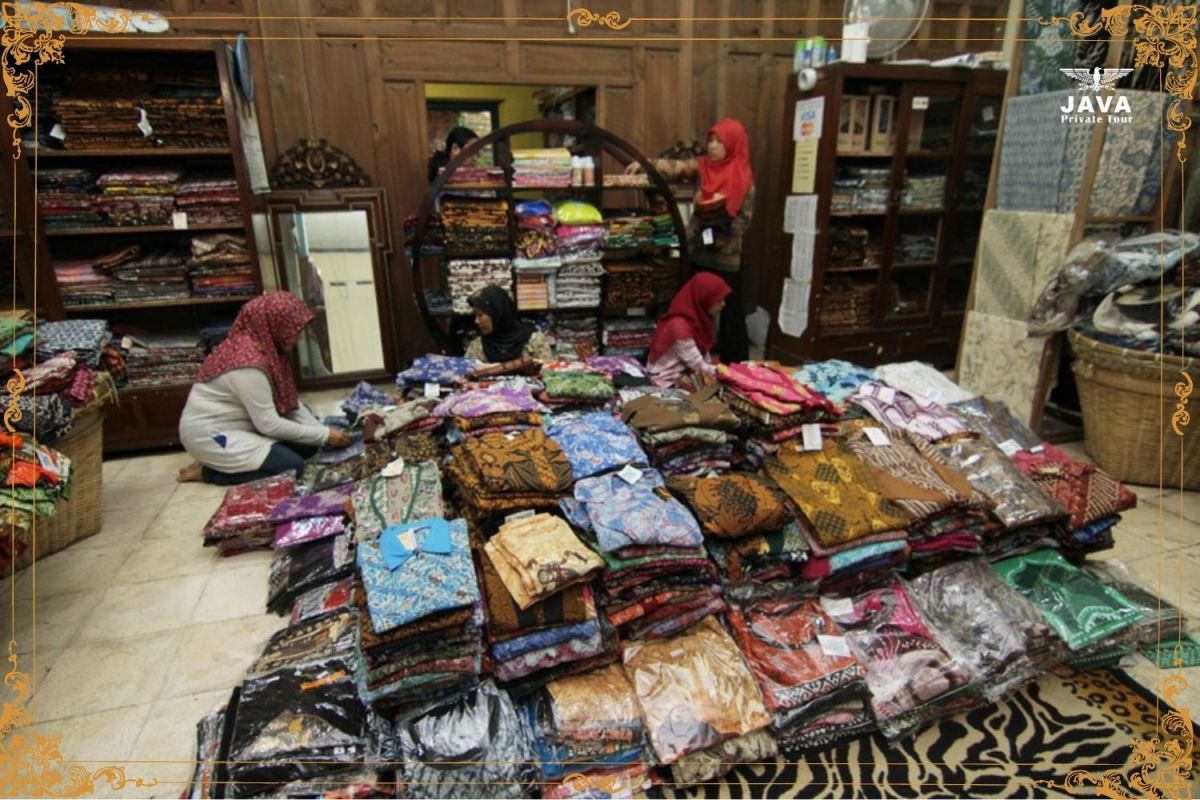
Some of these historic houses have now been transformed into batik showrooms, where visitors can browse hand-drawn batik pieces, watch artisans at work, and experience the ambiance of old-world Javanese nobility.
Walking through these streets is like time-traveling—every corner has a story, and many of those stories began with a woman in a kebaya who refused to be confined to the kitchen.
Visiting the Legacy of Mbok Mase in Laweyan
Today, Kampoeng Batik Laweyan is one of the most culturally rich destinations in Central Java. But it’s not just about shopping for batik—it’s about feeling the soul of a community shaped by powerful women.
On a walking tour, you can explore batik houses that have stood for over a century, meet local artisans who still use traditional methods, and hear firsthand stories about how Mbok Mase kept the economy alive during both colonial and post-independence eras.
For history buffs, fashion lovers, and cultural explorers alike, Laweyan is a treasure trove. And while modern times may have faded the name of Mbok Mase from the headlines, their legacy lives on—in every wax-dyed fabric and in every stone of their grand homes.
Why Explore Laweyan with Java Private Tour?
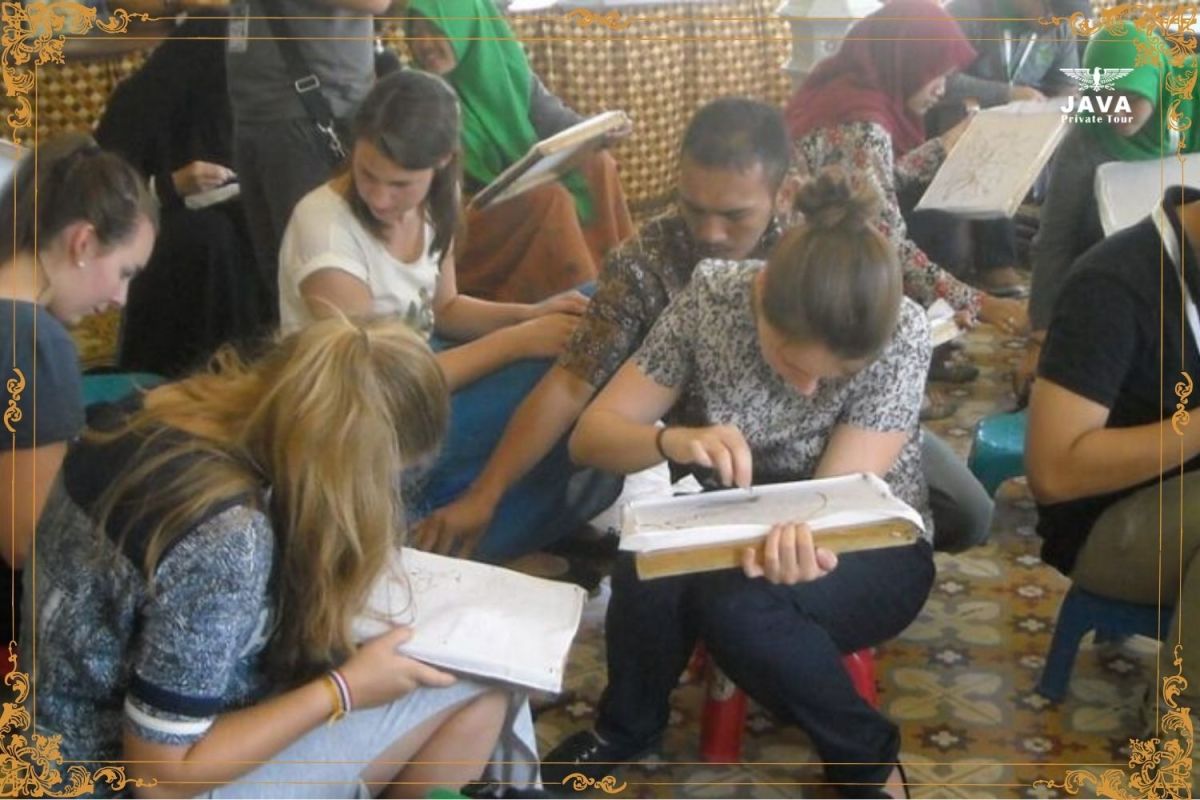
Now here’s the thing—Kampoeng Batik Laweyan isn’t just any tourist stop. It’s a living museum of Javanese resilience, elegance, and entrepreneurial spirit. And to truly experience it, you need more than just Google Maps and a camera.
That’s where we come in.
Java Private Tour is not your typical travel agency. We’re not generalists—we’re specialists. Our English-speaking, friendly, and culturally knowledgeable guides don’t just show you places—they help you understand them.
Whether you’re a first-time visitor to Java or a returning explorer, we customize every journey based on your interests. Want to deep-dive into batik history? Curious about women-led economies? Fascinated by colonial architecture? We’ve got you covered.
- ✔️ Professional and fluent English-speaking guides
- ✔️ Fully customizable and flexible itineraries
- ✔️ Private car rental (sedan, van, or mini bus—your choice!)
- ✔️ Trusted by embassies and international travelers
- ✔️ Ideal for solo travelers, families, researchers, journalists, or content creators
So, if you’re ready to explore the wonders of Kampoeng Batik Laweyan and walk in the footsteps of the great Mbok Mase, head over to our REQUEST PAGE and let’s start planning your adventure.
Or you can simply CLICK THIS LINK to chat with us on WhatsApp.
With Java Private Tour, you’re not just getting a guide; you’re gaining a friend who will ensure your trip is nothing short of extraordinary.
See you in Java!